washing machine not draining
May 11, 2026
Affordable Dishwasher Repair in North York: Common Problems and How to Fix Them
June 24, 2026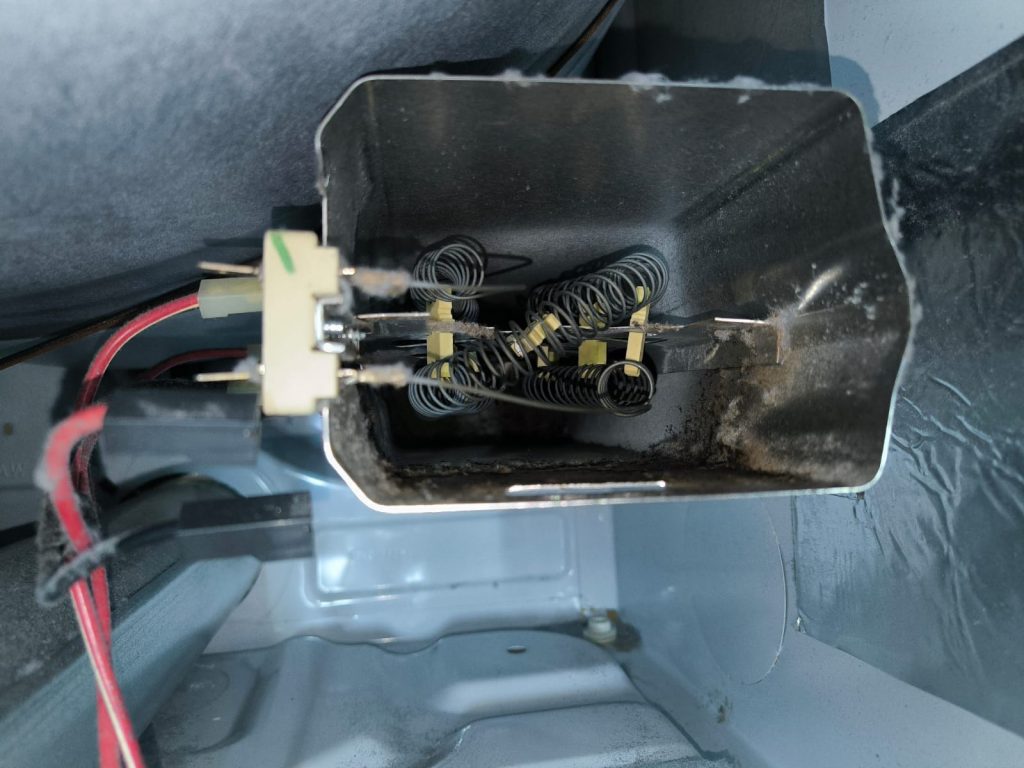
Dryer Not Heating? Common Error Codes by Brand, Likely Causes, and Repair Options
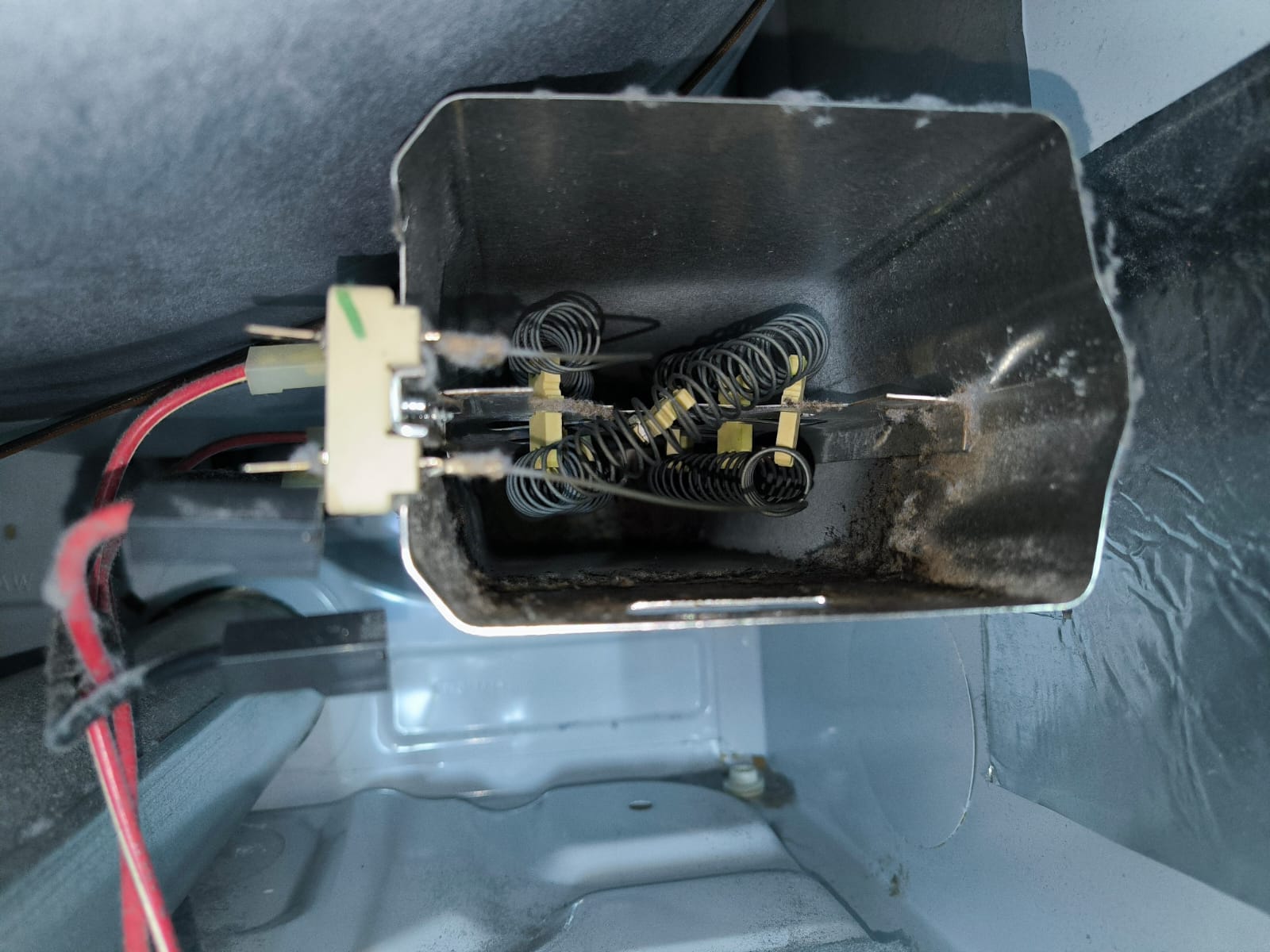
If your dryer is not heating, the problem may show up as cold air, damp clothes after a full cycle, longer drying times, or a heat-related error code on the display. In many cases, the issue comes from restricted airflow, a clogged vent, incorrect power supply, a failed heating element, a bad thermal fuse, a high-limit thermostat problem, or a gas-heating failure on gas models.
This guide covers dryer not heating error codes by brand, including common LG, Samsung, Whirlpool, Maytag, Amana, Frigidaire, Electrolux, Bosch, and GE patterns, along with safe first checks and common repair options.
What It Usually Means When a Dryer Is Not Heating
A dryer that tumbles but does not heat is usually dealing with one of three broad problems: airflow restriction, power or control issues, or failed heating components.
Some dryers display a helpful code, but many do not. On a lot of machines, the drum will still turn even when the heater is not operating, which is why homeowners often assume the dryer is “working” even though the heat circuit has failed.
Common Signs of a Dryer Heating Problem
- Dryer runs but clothes stay damp
- Cycle takes much longer than normal
- No warm air at all inside the drum
- Dryer stops with a heat, airflow, or sensor code
- Dryer gets too hot and then shuts down
- Gas dryer tumbles but never ignites properly
Safe First Checks a Homeowner Can Do
- Make sure the cycle is not set to Air Fluff, Air Only, or another no-heat option
- Clean the lint screen fully
- Check the vent hose behind the dryer for crushing, kinks, or disconnection
- Make sure the outside exhaust hood is opening and not blocked with lint
- For electric dryers, reset the circuit breaker fully even if it does not look tripped
- For gas dryers, make sure the gas supply valve is open
- Try a heated timed cycle and check for warmth after a few minutes
These are the safest first checks because they cover the most common no-heat causes without opening the dryer cabinet.
Common Dryer Error Codes by Brand
| Brand | Common Heat-Related Codes | What They Usually Point To |
|---|---|---|
| LG | d80, d90, d95, nP, PS, tE1-tE6 | Restricted airflow, no current to heater, improper voltage, thermistor issue |
| Samsung | HC, hE, HC4, 1HC, 9C1, 9E, 2E, 9E1, tS, tC, tE, C80, C90, Clg | Overheating, voltage issue, temperature sensor issue, blocked vent |
| Whirlpool | AF, F4E3, F#E# family faults | Restricted airflow or internal service fault |
| Maytag | AF, F4E3, F#E# family faults | Restricted airflow or internal service fault |
| Amana | AF, F4E3, F#E# family faults | Restricted airflow or internal service fault |
| Electrolux | EF1, H2/B2, H4/B4, E4 | Vent blockage, power supply issue, wiring issue, humidity sensor problem |
| Frigidaire | Many models emphasize vent, power, and cycle checks rather than a universal no-heat code | Often airflow, 240V supply, gas supply, or cycle selection issues |
| Bosch | E01, E02, E06 | Blocked lint filter or heating circuit fault |
| GE | Many no-heat complaints do not show a single universal consumer code | Partial 120V power, breaker issue, cycle selection, venting, or heater circuit problem |
Not every dryer shows a simple “heater bad” code. Many dryers instead point to vent blockage, voltage problems, thermistor faults, or a general service fault that still ends in a no-heat symptom.
Brand-by-Brand Dryer Heating Problems and What They Usually Mean
LG Dryer Not Heating
If your LG dryer is not heating, the most common codes tied to heat complaints are:
- d80 / d90 / d95 for restricted airflow
- nP for no current being detected at the heater
- PS for improper voltage or wiring connection
- tE1 to tE6 for thermistor-related problems
On LG dryers, vent restriction and voltage issues are very common reasons for poor or no heat. For LG-specific repair help, visit our LG Appliance Repair page.
Samsung Dryer Not Heating
If your Samsung dryer is not heating, common heat-related and airflow-related codes include:
- HC, hE, HC4, 1HC for heating or overheating conditions
- 9C1, 9E, 2E, 9E1 for abnormal voltage
- tS, tC, tE for temperature or sensor issues
- C80, C90, Clg for vent restriction
Samsung dryers often point first to vent cleaning, power supply, and temperature-sensor issues. For Samsung-specific service help, visit our Samsung Appliance Repair page.
Whirlpool, Maytag, and Amana Dryer Not Heating
If a Whirlpool, Maytag, or Amana dryer is not heating, the brands commonly highlight:
- AF or F4E3 for restricted airflow
- general F#E# service faults on electronic models
On many of these dryers, the machine may tumble with no heat if one side of the 240V supply is missing, if the vent is restricted, or if heating components have failed internally. For brand-specific help, visit Whirlpool Appliance Repair, Maytag Appliance Repair, or Amana Appliance Repair.
Frigidaire and Electrolux Dryer Not Heating
If a Frigidaire or Electrolux-family dryer is not heating, common official troubleshooting paths emphasize:
- EF1 for ventilation blockage
- H2 / B2 for power supply issues
- H4 / B4 for incorrect wiring
- E4 for humidity sensor failure on some models
Frigidaire also strongly emphasizes 240V supply, cycle setting, vent restriction, and gas-supply checks even when no specific no-heat code is displayed. For brand-specific help, see Frigidaire Appliance Repair.
Bosch Dryer Not Heating
If a Bosch dryer is not heating, common relevant codes include:
- E01 or E02 for blocked lint filter conditions
- E06 for a heating circuit fault
On Bosch dryers, airflow restriction and heating-circuit faults are two of the most important paths to check. For Bosch-specific help, visit our Bosch Appliance Repair page.
GE Dryer Not Heating
If a GE dryer is not heating, many models do not display a single universal “no heat” code to the homeowner. GE’s support often points users first to:
- partial 120V power on electric dryers
- a partially tripped breaker
- incorrect cycle settings such as fluff or cool down
- venting and airflow restrictions
On many GE electric dryers, the drum can still turn even if the heater is not receiving the full 208V/240V supply. For GE-specific help, visit our GE Appliance Repair page.
Possible Repair Options for a Dryer That Is Not Heating
Once the simple vent, filter, power, and gas checks are ruled out, common repair findings can include:
1. Vent and Airflow Repair
- clogged lint screen housing
- blocked or crushed vent hose
- long or poorly routed exhaust duct
- outside exhaust hood packed with lint
2. Heating Element Replacement
On electric dryers, a failed heating element is one of the classic no-heat repairs. The dryer may run normally but never generate heat.
3. High-Limit Thermostat, Thermal Cutoff, or Thermal Fuse Replacement
If the dryer has overheated, the high-limit thermostat, thermal cutoff, or thermal fuse may open the heat circuit to prevent further damage.
4. Thermistor or Cycling Thermostat Repair
Some dryers use a thermistor or cycling thermostat to regulate temperature. If the sensor reads incorrectly, the dryer may underheat, overheat, or stop heating altogether.
5. Power Supply or Terminal Block Repair
On electric dryers, a bad power cord connection, damaged terminal block, or missing half of the 240V supply can leave the drum turning with no heat.
6. Gas Ignition Repair
On gas dryers, common no-heat repair paths can include the igniter, flame sensor, or gas valve coils.
7. Heater Relay or Control Board Repair
If the dryer has proper airflow and the heater itself tests good, the problem may be in the control system or heater relay rather than the heat source component alone.
When to Stop DIY and Call for Dryer Repair
- You cleaned the lint system and the dryer still has no heat
- The dryer shows a recurring electrical or thermistor code
- You reset the breaker and the problem keeps returning
- The dryer overheats, shuts down, or smells hot
- You suspect a heater, thermostat, fuse, igniter, or control issue
- You are not comfortable testing live voltage or opening the cabinet
At that point, professional diagnosis is usually faster and safer than guessing at parts.
Which Brands and Models This Applies To
This page applies broadly to many:
- electric dryers
- gas dryers
- vented dryers
- condensing dryers
- heat-pump dryers
- major brands such as LG, Samsung, Whirlpool, Maytag, Amana, Frigidaire, Electrolux, Bosch, and GE
Exact code behavior varies by model, so the specific model number still matters. Two dryers from the same brand may not show the same code for the same symptom.
Dryer Repair Help
If your dryer is not heating, taking too long to dry, or showing a heat-related error code, service may be needed to inspect the venting, power supply, heating element, thermostats, thermistor, fuse, igniter, gas components, or control system.
You can also visit our Dryer Repair page for general dryer repair help.
Need Appliance Repair in Toronto/GTA?
If your dryer runs but does not heat, takes too long to dry, or keeps showing a heating or vent-related code, book service before the problem gets worse.
Frequently Asked Questions About a Dryer Not Heating
Why does my dryer run but not heat?
Common causes include a blocked vent, partial power on an electric dryer, a bad heating element, a thermal fuse problem, a thermostat issue, or a gas ignition failure.
Can a clogged vent cause a dryer to stop heating?
Yes. Restricted airflow can make a dryer overheat, shorten the cycle, trigger a vent code, or trip a safety component in the heating circuit.
Can a dryer still tumble if the heating element is bad?
Yes. On many electric dryers, the drum motor and the heater circuit are separate, so the dryer can still run without producing heat.
What is the most common dryer code related to vent blockage?
That depends on the brand. Common examples include LG d80/d90/d95, Samsung C80/C90/Clg, and Whirlpool-family AF or F4E3.
Should I keep using the dryer if it is not heating properly?
It is better to stop and check the problem first. Repeated use with blocked airflow or an overheating condition can make the issue worse.
Not every dryer displays a clear no-heat code, so model-specific documentation is still worth checking when the symptom keeps returning.