
Understanding Energy Efficiency Ratings: Choosing Appliances That Save Money
March 15, 2025
DIY Appliance Maintenance: Tips to Extend the Lifespan of Your Appliances
March 15, 2025
Smart Appliances: Benefits, Features, and What Homeowners Should Know
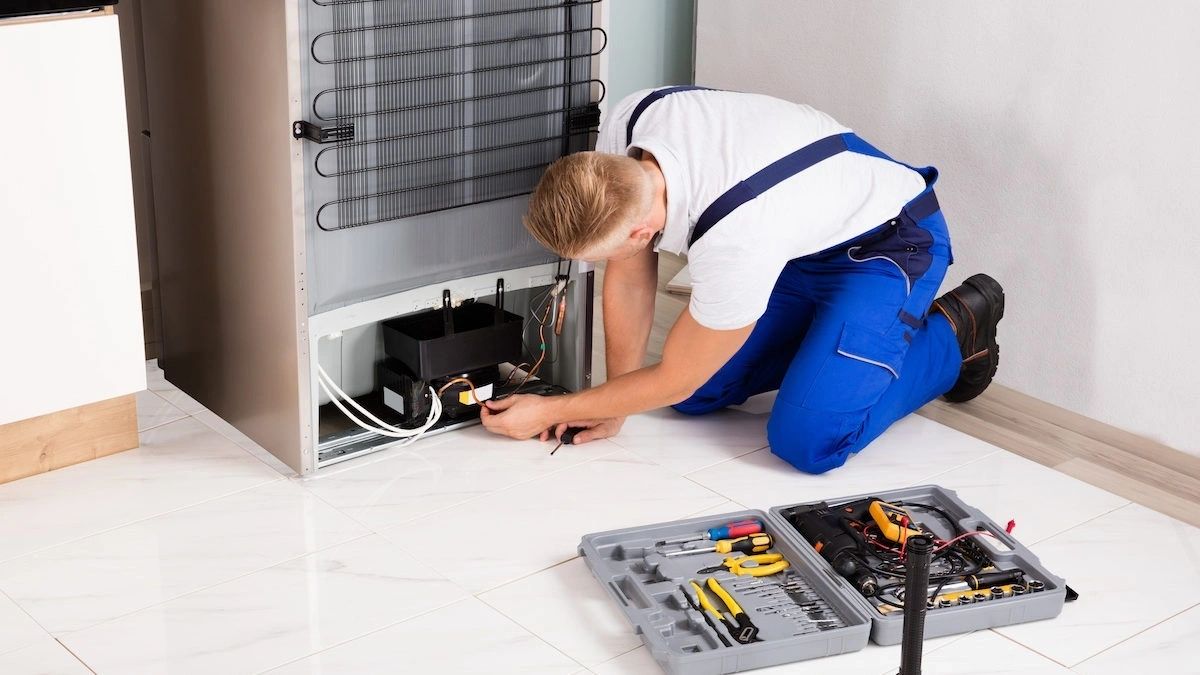
Smart appliances offer homeowners more convenience, more control, and in some cases better insight into how their appliances are performing. From refrigerators that send alerts to your phone to ovens you can preheat remotely, smart appliances have changed the way many people use their kitchens and laundry rooms.
At EAS Repair & Installation, we provide appliance repair and service across Toronto and the GTA for refrigerators, washers, dryers, dishwashers, ovens, and other major household appliances. If you are thinking about buying smart appliances, or already own them, it helps to understand both the benefits and the practical drawbacks.
What Are Smart Appliances?
Smart appliances are household appliances that connect to a home network, mobile app, or smart home system and offer features beyond standard manual controls. Depending on the model, these features may include:
- Remote control through a mobile app
- Status alerts and notifications
- Voice assistant compatibility
- Cycle monitoring and reminders
- Error notifications or self-diagnostics
- Energy or usage tracking
Common smart appliances include refrigerators, ovens, dishwashers, washing machines, dryers, and microwaves.
Benefits of Smart Appliances
1. More Convenience
One of the biggest reasons homeowners choose smart appliances is convenience. Many models let you check status or control settings from your phone without standing in front of the appliance.
- Starting or monitoring a laundry cycle remotely
- Getting alerts when a load is finished
- Preheating an oven before you get home
- Receiving a notification if a refrigerator door is left open
2. Better Monitoring
Smart appliances often give clearer updates about what the appliance is doing. In some cases, they can also help homeowners notice performance problems earlier by showing error codes or maintenance reminders.
3. Better Awareness of Usage
Some smart appliances track cycle history, water use, or energy use. That does not automatically make every model more efficient, but it can help homeowners understand how the appliance is being used and whether adjustments might improve efficiency.
4. Smart Home Integration
Some models can connect with voice assistants or other connected devices, making it easier to manage multiple functions through one system.
Drawbacks of Smart Appliances
While smart appliances can be useful, they are not automatically the best choice for every household.
- Higher upfront purchase cost
- More electronic parts that may fail over time
- Dependence on Wi-Fi, apps, or account setup for some features
- Possible software update or compatibility issues
- Repairs may be more complex than with older appliances
For some homeowners, the added features are worth it. For others, a simpler appliance may still be the better fit.
Are Smart Appliances Worth It?
Smart appliances can be worth it if you value convenience, remote access, app alerts, and connected home features. They may be especially useful for busy households, tech-friendly homeowners, and people who already use smart home systems regularly.
They may be less worthwhile if:
- You prefer simple manual controls
- You do not expect to use app features often
- You want the lowest purchase cost
- You are concerned about more complicated repairs later
The best choice usually depends on your budget, your lifestyle, and whether the smart features will actually help in everyday use.
Do Smart Appliances Still Need Maintenance?
Yes. Smart appliances still need regular maintenance just like standard appliances. Smart features do not replace normal cleaning or upkeep.
Good maintenance habits include:
- Cleaning refrigerator coils and door seals
- Checking dishwasher filters and spray arms
- Cleaning washer dispensers and inspecting hoses
- Clearing dryer lint filters and vents
- Installing software or firmware updates when recommended
You can also review ENERGY STAR appliance guidance for general information about appliance efficiency and performance.
Can Smart Appliances Be Repaired?
In many cases, yes. Smart appliances can often be repaired, but diagnosis may involve both traditional appliance components and more advanced electronic controls.
Common signs of trouble include:
- Error codes that keep returning
- App connection issues combined with performance problems
- The appliance powers on but does not complete cycles properly
- Leaks, unusual noises, or poor heating or cooling
- Features stop responding even after reset attempts
If a smart appliance is not working properly, professional diagnosis is usually the safest next step.
What to Consider Before Buying Smart Appliances
Before buying smart appliances, it helps to ask a few practical questions:
- Will you actually use the smart features regularly?
- Is the appliance from a brand with a strong service reputation?
- Does your home Wi-Fi support connected devices reliably?
- Are parts and repair service reasonably available?
- Are you buying for convenience, monitoring, efficiency, or all three?
Smart features are most useful when they match how you really live, not just how the product is advertised.
The Future of Smart Appliances
Smart appliances will likely continue becoming more advanced, with better sensors, more accurate diagnostics, and stronger integration with home systems. Even so, reliability, serviceability, and maintenance will remain just as important as new features.
A smart appliance still has to do its main job well.
Need Appliance Repair?
If one of your smart appliances or standard appliances is not working properly, EAS Repair & Installation provides professional service across Toronto and the GTA.
EAS Repair & Installation
Phone: (905) 773-3668
Email: info@easrepair.ca
Book Online: Contact Us
If your appliance is showing signs of trouble, contact us today to schedule service.


