
Top 5 Warning Signs Your Dryer Needs Professional Repair
June 12, 2025
Microwave Not Heating? Proven Fixes Before You Book a Technician
June 12, 2025
Why Your Fridge Isn’t Cooling and When to Call for Refrigerator Repair
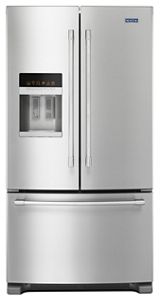
If your fridge isn’t cooling, the problem can quickly lead to spoiled food, leaks, higher energy use, and a lot of frustration. Sometimes the fix is simple, such as adjusting the temperature settings or cleaning the condenser coils. Other times, poor cooling points to a failing fan motor, thermostat, defrost issue, or compressor problem.
Below are some of the most common reasons a refrigerator stops cooling, what you can safely check yourself, and when it is time to book professional refrigerator repair.
1. Power or Temperature Setting Problems
Start with the basics. Make sure the refrigerator is plugged in securely and that the breaker has not tripped. If the outlet is connected to a wall switch, confirm it was not turned off by mistake.
You should also check the temperature settings. In most homes, the fresh food section should be between 35 F and 40 F, while the freezer should be around 0 F. If the settings were changed accidentally, the fridge may seem broken when it only needs to be reset.
2. Poor Airflow Inside the Fridge
A crowded refrigerator can block vents and prevent cold air from circulating properly. This can lead to uneven cooling, warm shelves, and food spoiling faster than expected.
Try reorganizing the contents so vents are not blocked by large containers, grocery bags, or stacked trays. A refrigerator works best when it is reasonably full, but not overpacked.
3. Dirty Condenser Coils
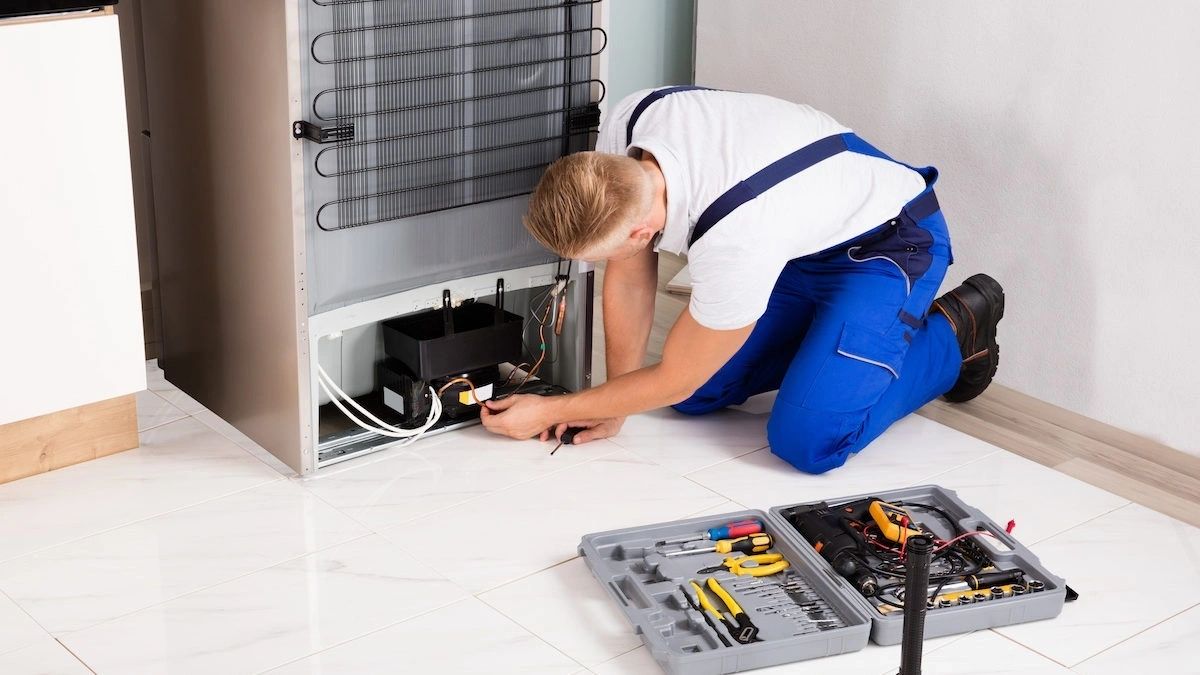
Dirty condenser coils are one of the most common causes of cooling problems. When dust, pet hair, and debris collect on the coils, the refrigerator has to work harder to release heat. That can reduce cooling performance and increase energy use.
On many models, the coils are located underneath or behind the appliance. Cleaning them carefully with a coil brush or vacuum may help restore performance.
4. Faulty Evaporator or Condenser Fan
Your refrigerator depends on fans to move cold air through the appliance and release heat from the system. If one of those fans stops working, the fridge may become warm even though some parts still appear to be running.
Warning signs can include:
- Warm refrigerator section but colder freezer
- Buzzing, clicking, or rattling sounds
- Weak airflow from interior vents
- The compressor running but poor cooling
Fan problems usually require proper diagnosis and part replacement.
5. Worn or Damaged Door Gaskets
If the door seals are cracked, loose, or dirty, cold air can escape and warm air can enter. That makes the fridge run longer and cool less effectively.
Check the gasket around the door for gaps, tears, or visible wear. Clean it with warm soapy water and make sure the door closes tightly all the way around.
6. Frost Build-Up and Defrost Problems
Too much frost inside the freezer can block airflow and reduce cooling in both sections of the refrigerator. In many cases, this points to a problem with the defrost heater, defrost thermostat, or defrost control.
Signs of a defrost problem may include:
- Ice buildup on the back freezer panel
- Warm fridge section with a colder freezer
- Water leaks during thawing
- Frost returning after manual defrosting
If frost keeps coming back, the refrigerator likely needs repair rather than a simple reset.
7. Compressor or Start Relay Trouble
If your fridge isn’t cooling at all, the compressor or start relay may be failing. The compressor is one of the most important parts in the cooling system, and when it struggles, temperatures can rise quickly.
Possible warning signs include:
- Clicking sounds from the back of the refrigerator
- The compressor tries to start and then stops
- The fridge stays warm after basic troubleshooting
- The motor area feels unusually hot
Compressor and relay issues should be tested by an experienced technician.
8. Sealed System or Refrigerant Issues
If the refrigerator still is not cooling after basic troubleshooting, the problem may be inside the sealed system. Refrigerant leaks and sealed system faults are more serious issues that require specialized tools and proper repair procedures.
Possible signs include:
- The fridge runs constantly but stays warm
- Cooling gets worse over time
- You hear unusual hissing sounds
- Only part of the evaporator frosts over
These are not do-it-yourself repairs and should be handled professionally.
Fridge Isn’t Cooling: Safe Checks vs. Professional Repairs
| Safe to Check Yourself | Usually Needs Professional Repair |
|---|---|
| Power supply and breaker | Compressor problems |
| Temperature settings | Fan motor replacement |
| Airflow and shelf organization | Defrost system faults |
| Condenser coil cleaning | Control board or sensor issues |
| Door gasket cleaning and inspection | Sealed system or refrigerant repairs |
If basic checks do not solve the problem, or the refrigerator is making strange sounds, leaking water, or failing to hold temperature, booking a service call is the safest next step.
When to Book Refrigerator Repair
You should consider professional service if:
- Your fridge is running but not cooling properly
- The freezer works but the fresh food section is warm
- You notice frost buildup, leaks, or repeated temperature swings
- The appliance is making clicking, buzzing, or rattling sounds
- Cleaning coils and adjusting settings did not help
Need Refrigerator Repair?
If your fridge isn’t cooling, EAS Repair & Installation provides professional refrigerator repair for homeowners across Toronto and the GTA.
EAS Repair & Installation
Phone: (905) 773-3668
Email: info@easrepair.ca
Book Online: Contact Us
If your refrigerator is warm, leaking, or making unusual noises, contact us today to schedule service.