
When to Call a Professional: Identifying Serious Appliance Issues
March 15, 2025
Top 5 Warning Signs Your Dryer Needs Professional Repair
June 12, 2025
How to Extend the Lifespan of Your Dishwasher with Simple Preventive Maintenance
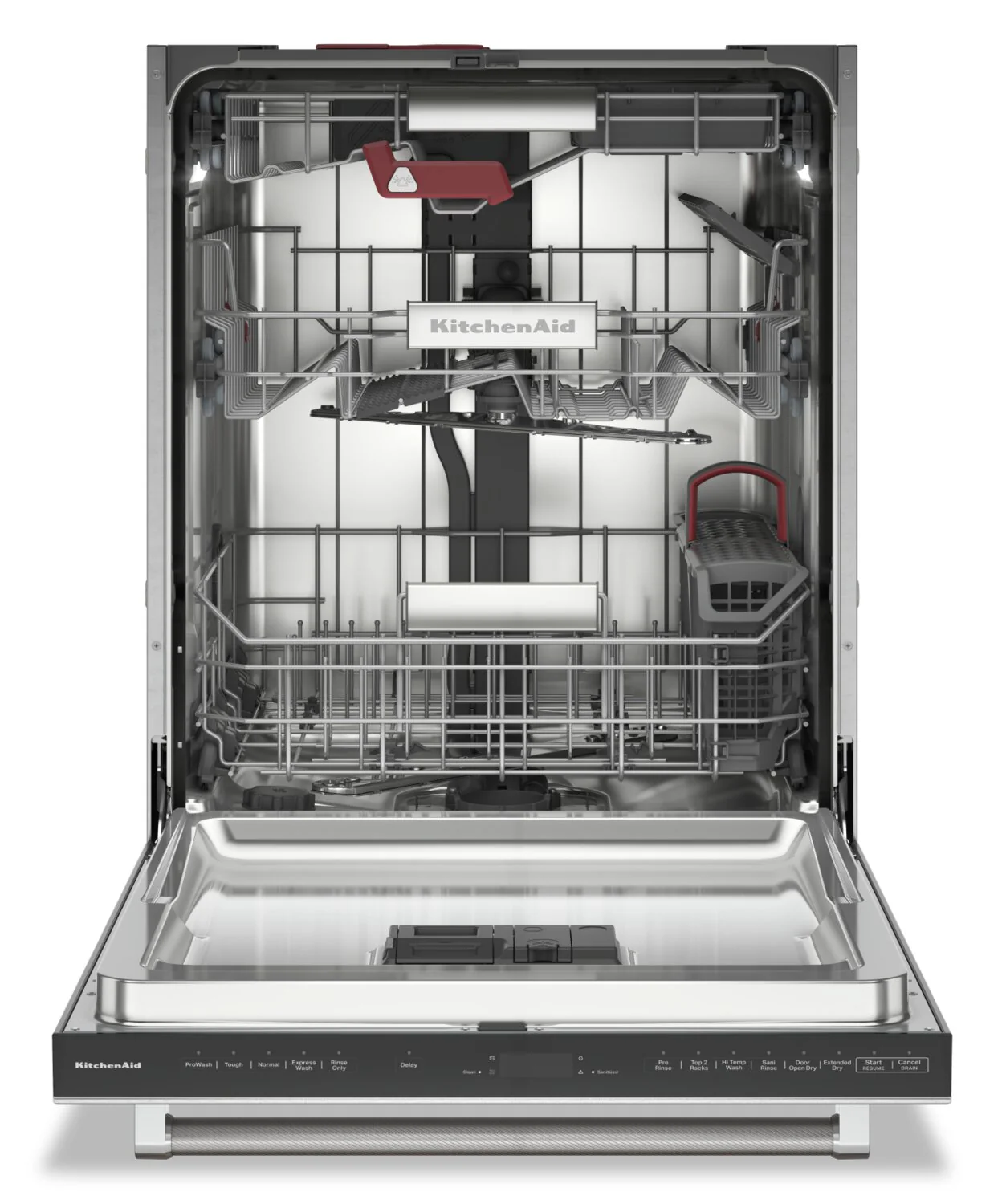
Dishwasher preventive maintenance can help your appliance last longer, perform better, and avoid common problems like clogs, leaks, odours, and poor cleaning results. A few simple maintenance habits can go a long way toward reducing repair costs and improving reliability.
At EAS Repair & Installation, we provide professional dishwasher repair across Toronto and the GTA. If problems do start to show up, early service can often prevent a bigger repair later.
1. Clean the Dishwasher Filter Regularly
A clogged filter is one of the most common causes of poor dishwasher performance. Food particles, grease, and soap residue can build up over time and interfere with drainage and water flow.
- Remove the filter from the bottom of the dishwasher
- Rinse it under warm water
- Use a soft brush to remove stubborn buildup
- Reinstall it securely before running another cycle
For many households, checking the filter weekly and cleaning it more thoroughly every month or two is a good routine.
2. Clean the Spray Arms
Spray arms distribute water during the wash cycle. If the small holes become blocked by food debris or mineral buildup, dishes may come out dirty or spotty.
- Remove the spray arms if your model allows it
- Rinse them under warm water
- Use a soft tool to clear blocked holes carefully
- Reinstall them properly
If cleaning the spray arms does not improve washing results, there may be a circulation or pump issue.
3. Wipe the Door Gasket and Edges
The rubber door gasket helps keep water inside the dishwasher. Over time, grease, residue, and moisture can collect around the seal and door edges.
This buildup can contribute to:
- Bad odours
- Mold or mildew
- Leaks around the door
- Premature gasket wear
Use a soft cloth with mild detergent or a gentle cleaning solution to wipe the gasket and edges regularly.
4. Run a Monthly Deep Clean Cycle
Even if the dishwasher looks clean, detergent residue, grease, and mineral deposits can build up inside. A monthly deep clean can help keep the interior fresher and improve performance.
Many homeowners run an empty hot cycle with a dishwasher-safe cleaner or a cup of white vinegar placed on the top rack. Always follow your dishwasher manufacturer’s care guidance for the safest cleaning method.
5. Avoid Overloading the Dishwasher
Overloading can block water and detergent from reaching dishes properly. It can also put extra strain on racks, spray arms, and the door.
- Leave space between dishes
- Do not block spray arm movement
- Load large items carefully
- Avoid forcing the door closed
Proper loading helps both cleaning results and long-term dishwasher performance.
6. Use the Right Detergent and Rinse Aid
Always use detergent made specifically for dishwashers. Using the wrong product can leave residue, create excess suds, and reduce cleaning performance.
Depending on your water conditions, rinse aid may also help:
- Reduce spotting on dishes and glassware
- Improve drying performance
- Reduce mineral residue in hard-water areas
7. Run the Dishwasher Regularly
If a dishwasher sits unused for long periods, seals can dry out and stagnant water can lead to odours. Running the appliance regularly helps keep internal parts active and moisture from sitting too long inside the machine.
8. Watch for Early Warning Signs
Small issues often turn into larger repairs if ignored. Watch for:
- Water leaking around the unit
- Bad odours that return quickly
- Poor cleaning results
- Standing water at the bottom
- Strange noises during cycles
- Dishes not drying properly
If these problems continue after basic cleaning and maintenance, professional dishwasher repair may be the best next step.
9. Schedule Professional Service When Needed
Some dishwasher problems are not obvious from the outside. A technician can inspect parts such as the pump, motor, heating element, inlet and drain components, door seals, and sensors to catch wear before a full breakdown happens.
10. Know When Repair or Replacement Makes More Sense
Many dishwashers last around 10 years, and some last longer with good care. Repair is often worthwhile when the unit is newer and the issue is limited to a seal, pump component, heating element, or similar part.
Replacement may be the better option if:
- The dishwasher is older and breaking down often
- Repair costs are adding up
- Cleaning performance stays poor
- Multiple major issues are happening at once
Quick Dishwasher Preventive Maintenance Checklist
| Task | Recommended Timing |
|---|---|
| Check or rinse filter | Weekly |
| Wipe door gasket and edges | Weekly to monthly |
| Clean spray arms | Monthly |
| Run deep clean cycle | Monthly |
| Inspect for leaks, odours, or poor cleaning | Ongoing |
| Book service if issues continue | As needed |
Need Dishwasher Repair?
If your dishwasher is leaking, not cleaning properly, leaving dishes dirty, or showing early warning signs, EAS Repair & Installation provides professional dishwasher repair across Toronto and the GTA.
EAS Repair & Installation
Phone: (905) 773-3668
Email: info@easrepair.ca
Book Online: Contact Us
If your dishwasher is not performing the way it should, contact us today to schedule service.