
Microwave Not Heating? Proven Fixes Before You Book a Technician
June 12, 2025
Maytag Washer F9E1 Error Code
May 7, 2026
Appliance Cleaning Checklist: Simple Maintenance Tips to Help Prevent Costly Repairs
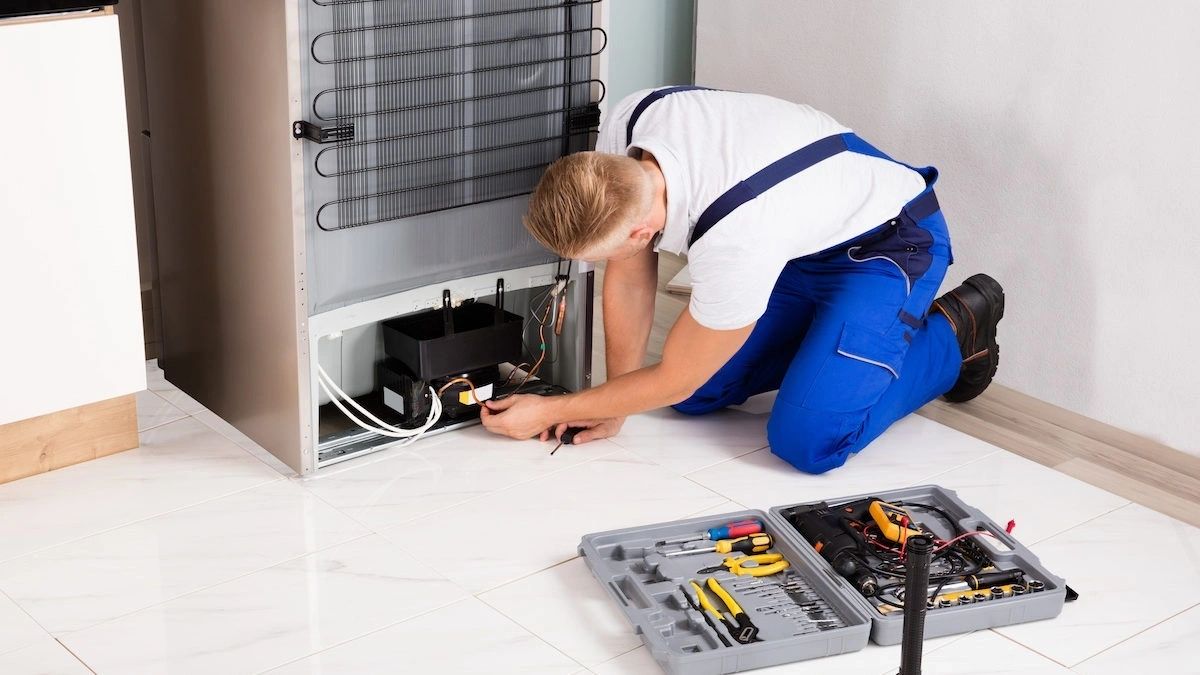
Following a practical appliance cleaning checklist can help your appliances run more efficiently, last longer, and avoid preventable problems. Dirt, lint, grease, food residue, and poor airflow can all make appliances work harder than they should.
Before you book professional appliance repair, there are several cleaning and maintenance steps you can do at home. This guide covers the most important cleaning tasks for refrigerators, dishwashers, ovens, washers, dryers, and microwaves, plus signs that it may be time to call a technician.
Why Regular Appliance Cleaning Matters
Routine appliance cleaning is not only about appearance. It also helps reduce wear on important parts, improve airflow, and make early warning signs easier to notice.
- Better efficiency – clean appliances often use less energy
- Fewer breakdowns – buildup can lead to overheating, leaks, and poor performance
- Longer appliance lifespan – less strain on moving and electrical parts
- Better hygiene – fewer odors, mold issues, and food residue problems
- Improved safety – especially for dryers, ovens, and appliances with vents or electrical components
General Appliance Cleaning Checklist
These maintenance habits apply to almost every major household appliance:
- Wipe down exterior and interior surfaces regularly
- Inspect cords, hoses, seals, and gaskets for wear
- Clean filters, vents, and air passages where applicable
- Remove grease, lint, dust, and food buildup before it accumulates
- Pay attention to unusual smells, noises, leaks, or performance changes
Refrigerator and Freezer Cleaning Checklist
Your refrigerator runs all day, so regular cleaning helps it cool properly and reduces strain on the compressor.
- Clean condenser coils every 6 to 12 months – dust on the coils can reduce cooling efficiency
- Wipe shelves and drawers – remove spills and expired food before odors and residue build up
- Check door gaskets – clean them and make sure they seal tightly
- Keep interior vents clear – blocked airflow can cause uneven cooling
- Replace water filters as recommended – this helps maintain proper water and ice performance
If your unit still has warm temperatures, leaking water, or frost buildup after cleaning, visit our Refrigerator Repair page.
Dishwasher Cleaning Checklist
Dishwashers often collect grease, food particles, and soap residue. Regular cleaning helps maintain proper drainage and wash performance.
- Clean the filter monthly – this helps prevent odors and drainage issues
- Inspect and clear the spray arms – blocked spray holes can reduce cleaning power
- Run a cleaning cycle – use a dishwasher cleaner or approved cleaning method monthly
- Wipe the door seal – check for mold, warping, or residue buildup
- Check the bottom of the tub – remove debris that may collect around the drain area
If the dishwasher is leaking, not draining, or not cleaning properly, visit our Dishwasher Repair page.
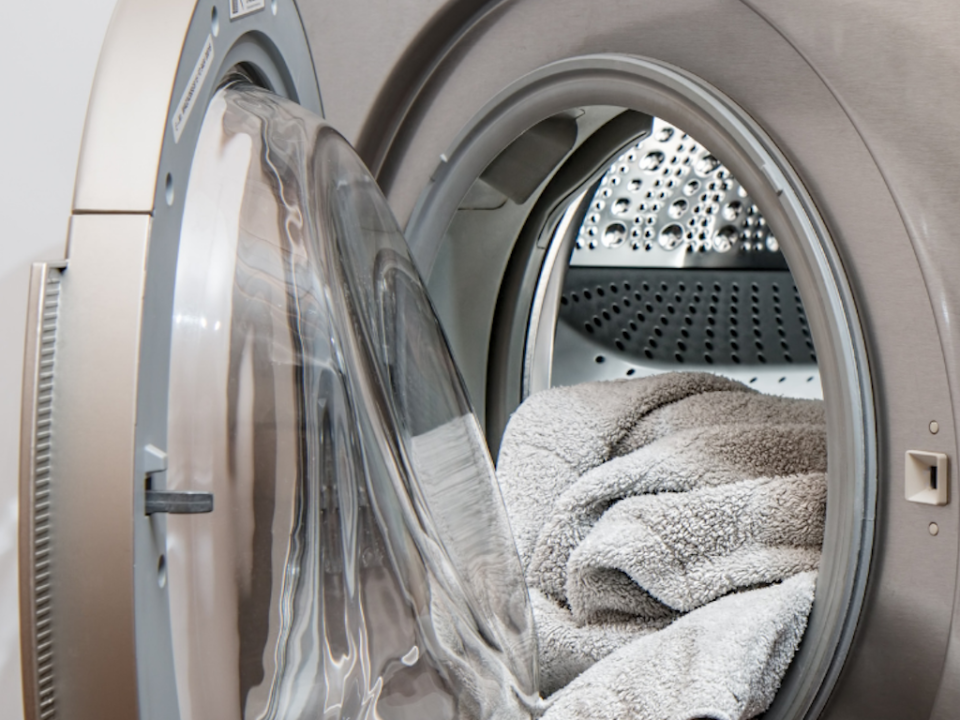
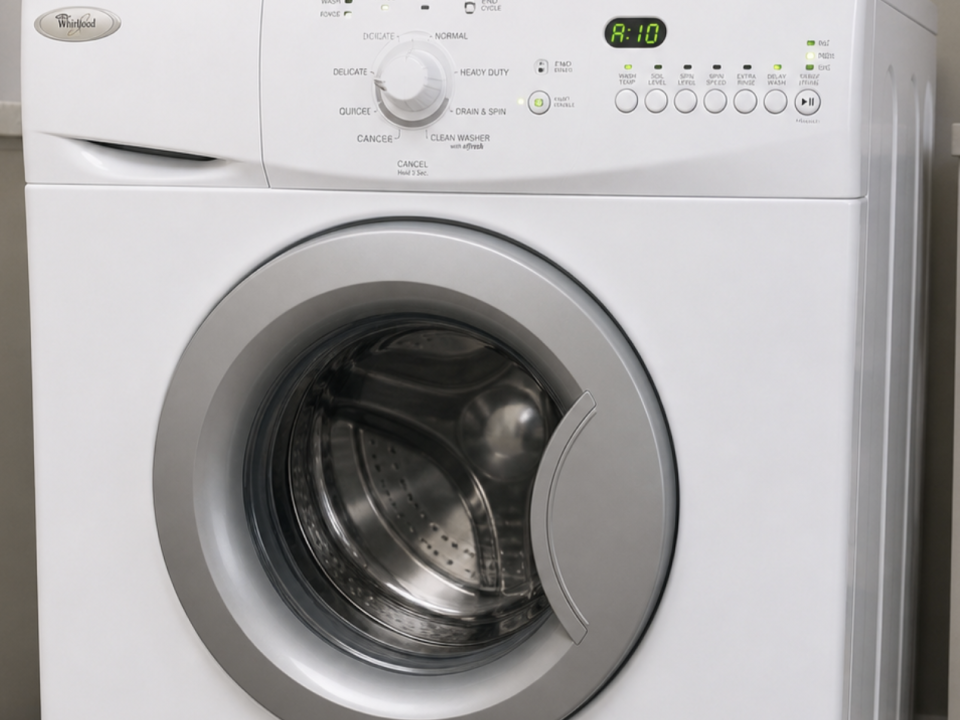
Washing Machine Cleaning Checklist
Washers deal with moisture, detergent, and constant movement, so regular maintenance can help prevent odor, mold, and drainage problems.
- Run a washer cleaning cycle monthly
- Wipe the door gasket – especially on front-load machines
- Leave the door slightly open after use – this helps moisture escape
- Clean detergent dispensers – soap residue can harden over time
- Inspect fill and drain hoses – look for leaks, cracks, or bulging
If your washer is leaking, smells bad, or will not drain correctly, visit our Washing Machine Repair page.
Dryer Cleaning Checklist
Dryer cleaning is one of the most important maintenance tasks in the home because poor airflow can reduce performance and create a fire risk.
- Clean the lint filter after every load
- Clean the dryer vent and duct at least once a year
- Check behind the dryer for lint buildup
- Inspect the door seal – air leaks can reduce drying efficiency
- Watch for long dry times – this often points to airflow restriction
If your dryer is overheating, taking too long to dry, or not heating properly, visit our Dryer Repair page.
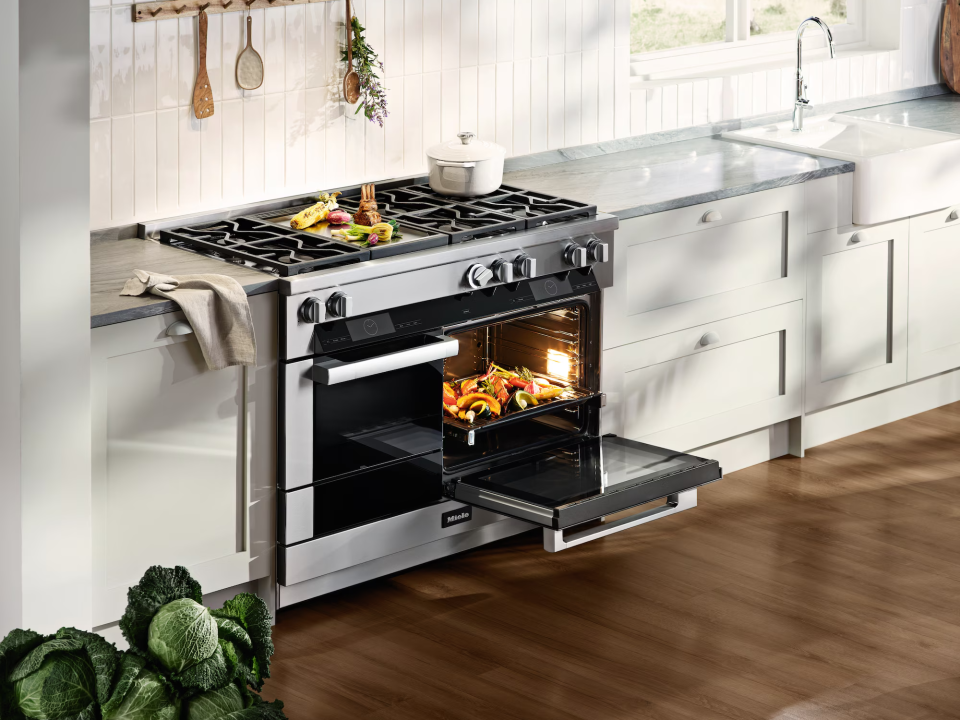
Oven and Range Cleaning Checklist
Ovens and ranges collect grease, food spills, and burnt residue that can affect performance and create smoke or odors.
- Wipe spills quickly – baked-on residue is harder to remove later
- Clean burner areas regularly – food debris can affect ignition and flame quality
- Deep clean the oven periodically
- Inspect door seals and hinges – poor sealing can affect cooking performance
- Check for uneven heating – this may be a sign of a part problem, not just dirt
If your oven is not heating evenly or your range is not working properly, visit our Oven Repair page.
Microwave Cleaning Checklist
Microwaves are easy to clean but easy to ignore. Food splatter and residue can build up quickly inside.
- Wipe the interior regularly
- Use a cover when heating food – this helps reduce splatter
- Clean the turntable and support ring
- Keep the door and latch area clean
- Do not ignore sparking, burning smells, or heating failure
If the microwave is not heating properly or has keypad or display issues, visit our Microwave Repair page.
Monthly Appliance Cleaning Checklist Table
| Task | Recommended Frequency |
|---|---|
| Clean dishwasher filter | Monthly |
| Run washer cleaning cycle | Monthly |
| Wipe refrigerator shelves and drawers | Monthly |
| Clean microwave interior | Monthly |
| Inspect hoses, seals, and cords | Monthly |
| Vacuum behind appliances | Every few months |
| Clean refrigerator condenser coils | Every 6 to 12 months |
| Clean dryer vent and exhaust duct | Annually |
When to Call a Professional
Cleaning helps prevent many common problems, but it will not fix every issue. If an appliance still performs poorly after basic cleaning and maintenance, the issue may involve a part failure, electrical problem, control issue, blocked pump, failing motor, or sealed-system problem.
You should consider professional service if:
- the refrigerator is still warm
- the dishwasher still leaks or will not drain
- the washer smells bad or stops mid-cycle
- the dryer has no heat or very long dry times
- the oven does not heat properly
- the microwave runs but does not heat
Frequently Asked Questions
How often should refrigerator coils be cleaned?
Usually every 6 to 12 months, depending on dust, pets, and household conditions.
How often should a dryer vent be cleaned?
At least once a year. Heavy dryer use may require more frequent cleaning.
Can regular appliance cleaning really help prevent repairs?
Yes. It can reduce airflow restrictions, overheating, clogs, odors, leaks, and unnecessary wear.
When should I stop cleaning and call a technician?
If the appliance still leaks, overheats, smells unusual, makes new noises, or does not work properly after cleaning, it should be professionally diagnosed.
Need Expert Appliance Maintenance or Repair?
If cleaning and routine maintenance are not solving the problem, EAS Repair & Installation provides professional appliance repair for homeowners across Toronto and the GTA.
EAS Repair & Installation
Phone: (905) 773-3668
Email: info@easrepair.ca
Book Online: Contact Us
If your appliance is still not working properly after cleaning and basic maintenance, contact us today to schedule service.